
Skin & Nail Disorders
Ingrown Toenail
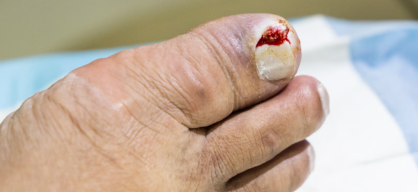
An ingrown toenail occurs when the edge of the nail grows into the surrounding skin, causing pain, redness and infection. In diabetics it is a common entry point for serious infection and needs prompt, careful treatment.
warning Symptoms & Signs
- check_circle Pain and tenderness along the nail edge
- check_circle Redness and swelling
- check_circle Pus or drainage if infected
- check_circle Overgrowth of skin around the nail
help Causes & Risk Factors
- check_circle Cutting nails too short or curved
- check_circle Tight footwear
- check_circle Injury to the toe
- check_circle Naturally curved nails
emergency When to See a Doctor
- check_circle Signs of infection (pus, spreading redness)
- check_circle Any ingrown nail in a diabetic foot
- check_circle Recurrent ingrown nails
medical_services How Dr. Shah Treats It
Mild cases are treated conservatively; persistent or infected nails are managed with a minor procedure to remove the offending nail edge, sometimes permanently, under careful technique appropriate for diabetic feet.
Discuss your treatment arrow_forwardquiz Frequently Asked Questions
No. Self-treatment risks infection. A diabetic ingrown nail should be assessed professionally because of the higher infection risk.